
How to Tell If You Have Bats in Your Attic: A California Homeowner’s Guide
Need Same Day Service? We Can Help.
Call Us Now at 619-786-6440.
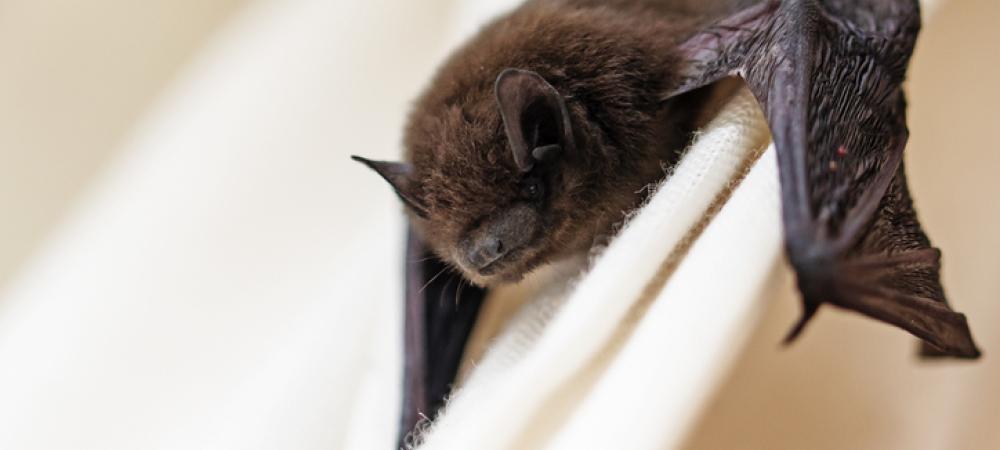
There is a specific sound that every homeowner in California eventually worries about: a faint scratching or rustling in the ceiling just as the sun goes down. In a state where Spanish tile roofs and vented gables are architectural staples, your home might be more than just a residence—it could be a prime maternity roost for a colony of bats.
As a leading wildlife removal service in California, we know that identifying a bat infestation early is the difference between a simple exclusion and a multi-thousand-dollar attic restoration. If you suspect you have uninvited guests, here is the professional checklist to confirm if you have bats in your attic.
1. The "Ammonia" Warning: Guano and Odor
One of the first signs of a bat colony isn't visual—it's olfactory. Bat droppings, known as guano, have a very high nitrogen content. As it accumulates, it produces a pungent, metallic smell similar to ammonia.
- Where to look: Check your porch, windowsills, or directly under gable vents. If you see small, dark pellets, you likely have an entry point nearby
- The "Crumb Test": Unlike mouse droppings (which are hard and smooth), bat guano is made of insect shells. If you poke it with a stick, it will crumble into a fine, shimmering powder
- Warning: Never inhale the dust from guano. It can carry Histoplasma capsulatum, a fungus that causes severe respiratory issues
2. Grease Stains and Rub Marks
Bats are oily creatures. Their fur is coated in a natural oil called sebum. Because bats use the same entry and exit points every night, they leave behind "rub marks"—dark, brownish-black, greasy stains around the cracks they squeeze through.
In California, we commonly find these stains:
- At the corners of fascia boards
- Between the gaps of Spanish roof tiles
- Around the edges of attic vents and chimney flashings
3. Nocturnal Activity: Scratching and Chirping
Bats are nocturnal, meaning they are most active when you are trying to sleep. If you hear "scurrying" during the day, you likely have squirrels or rats. However, if the noise starts at dusk or just before dawn, it’s a bat red flag.
- Scratching: This is the sound of bats crawling along the drywall or wooden beams toward their exit
- Chirping: While bats use ultrasonic echolocation to hunt, they use audible clicks and chirps to communicate within the roost. If your attic sounds like it’s "talking," you have a colony
4. The "Dusk Watch" (The Smoking Gun)
The most definitive way to tell if you have bats is to perform a "bat watch." About 15–30 minutes after sunset, stand in your yard where you can see your roofline and gables.
If you have an infestation, you will see them "dropping" out of the eaves. Bats can squeeze through a gap as small as 1/2 inch—the thickness of a wedding ring.
The California "Blackout": Understanding Bat Laws
In California, bats are a protected species. It is illegal to kill them, and more importantly, there are strict "blackout dates" for removal.
Maternity Season Warning: From May 1st through July 31st, professional wildlife removal services cannot perform exclusions in California. During this window, mother bats have flightless "pups." If you seal the attic now, the pups will die inside, leading to unbearable odors and a massive biohazard.
Why Professional Bat Removal is Non-Negotiable
You might be tempted to climb a ladder and staple some mesh over a hole, but with bats, DIY fixes often lead to disaster. If you seal a hole while bats are inside, they will find their way into your living space (bedrooms and kitchens) looking for an exit.
As the best in the business, our bat removal services provide a three-step permanent solution:
- Species Identification: Whether it’s the Mexican Free-tailed bat or the Big Brown bat, we identify the species to ensure legal compliance
- One-Way Exclusion: We install specialized "bat valves" that allow bats to fly out at night but prevent them from re-entering
- Full Decontamination: We don't just remove the bats; we remove the guano, replace contaminated insulation, and use hospital-grade disinfectants to make your home safe again
Don't wait for the smell to get worse.
If you’ve seen the signs, it’s time to act before maternity season begins.
Click here to schedule a professional bat inspection and protect your home today.